
Ageism: One of The Last Socially Acceptable Prejudices
July 16, 2026 | by NBA Cares
What if everything we thought we knew about aging was wrong? Dr. Tracey Gendron, professor and Chair of the Department of Gerontology and the Executive Director of the Virginia Center on Aging at Virginia Commonwealth University, and author of “Ageism Unmasked,” addresses this question as fact in her description of ageism.
Ageism refers to the way we think, feel, and act toward a person because of their age. It is enmeshed with all other forms of discrimination and is deeply embedded in all of us. Dr. Gendron reminds us that we all age every moment of our lives; yet negative stereotypes about aging have been so thoroughly ingrained in us from an early age that we hardly know they are there.
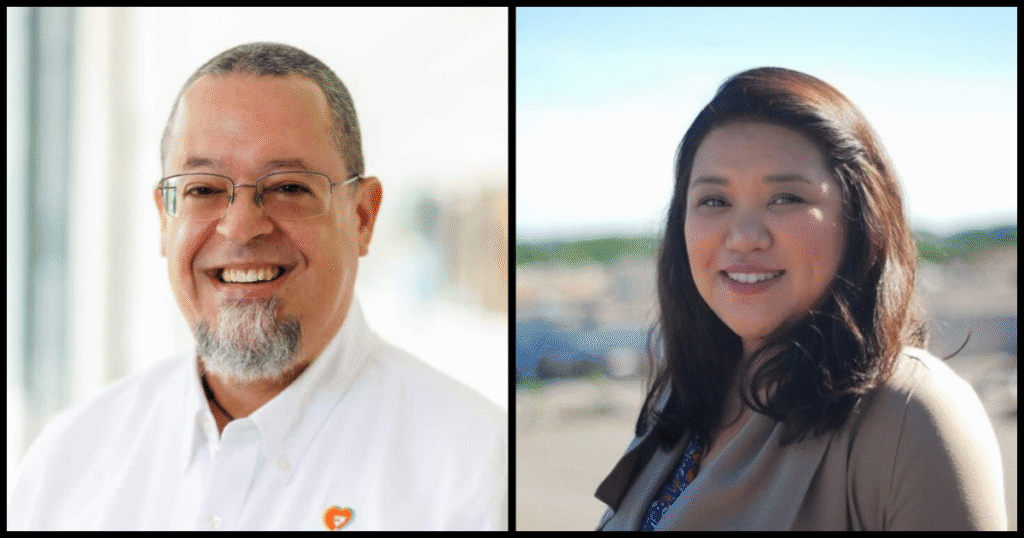
NBA’s Older Adult Ministries recently held a webinar on ageism, featuring panelists of various generations who shared their experiences and views on the topic from their perspective.
“When elders slowly disappear from community life, we call that ‘normal,’” said Rev. Angel Luis Rivera Agosto, NBA’s Senior Coordinator for Justice Initiatives and a panelist on the webinar. “It is not normal. It is a failure of community. When we stop asking older adults for wisdom, prayer, or leadership, we are telling them their story is over. This also affects young people. Youth may feel unheard or misunderstood and tend to seek isolation.”
Panelist Rev. Awit Marcelino, pastor of St. Thomas Christian Church in Ontario, Canada, added, “We miss seeing the diversity in the church that already exists and could flourish even more if people were listened to and encouraged to serve in the ways that they’re called. When we make ageist assumptions, we miss opportunities for deeper faith and a closer-knit community.”
Why should we care about ageism? Dr. Gendron writes how ageism negatively affects people’s physical and mental health. Pessimistic attitudes about aging can literally shorten one’s lifespan. ageism negatively impacts society at large by grouping people into stereotypical categories that do not fit. Rev. Marcelino believes that having conversations about ageism can help address this damage. “A conversation on ageism is important,” she says, “because it names the obvious and not-so-obvious harms on whole communities, on older folks, younger folks and everyone in between – and it allows us to find new and inclusive ways forward, together.”
What challenges await us! What beautiful possibilities can be uncovered! What can your congregation do to push back against ageism?
“God’s justice lives in small, faithful moments,” concludes Rev. Rivera Agosto, “When we choose to see someone, to believe them, and to walk beside them — that is the work. You don’t have to solve everything. But we do have to refuse to look away.”
Look for the Resources on Ageism resource on NBA’s Older Adult Ministries resource page. You can also view a recording of the Ageism For Real Webinar on NBA’s website.